Nutrition and Hydration on the Road: What Every Cyclist Needs to Know in Lanzarote
Eating and drinking correctly while cycling in Lanzarote isn't optional advice — it's a decisive factor between enjoying the ride and suffering through it. The combination of heat, wind, volcanic terrain and long distances between refuelling points makes nutrition and hydration a fundamental part of any cycling plan on the island.
In this guide we cover what to eat before, during and after your rides, how to manage hydration in Lanzarote's conditions and the mistakes that can turn a great day on the bike into a difficult experience.
Why nutrition and hydration in Lanzarote are different
Lanzarote's conditions intensify the body's nutritional and hydration needs. Understanding why helps you prepare better.
Heat and evaporation
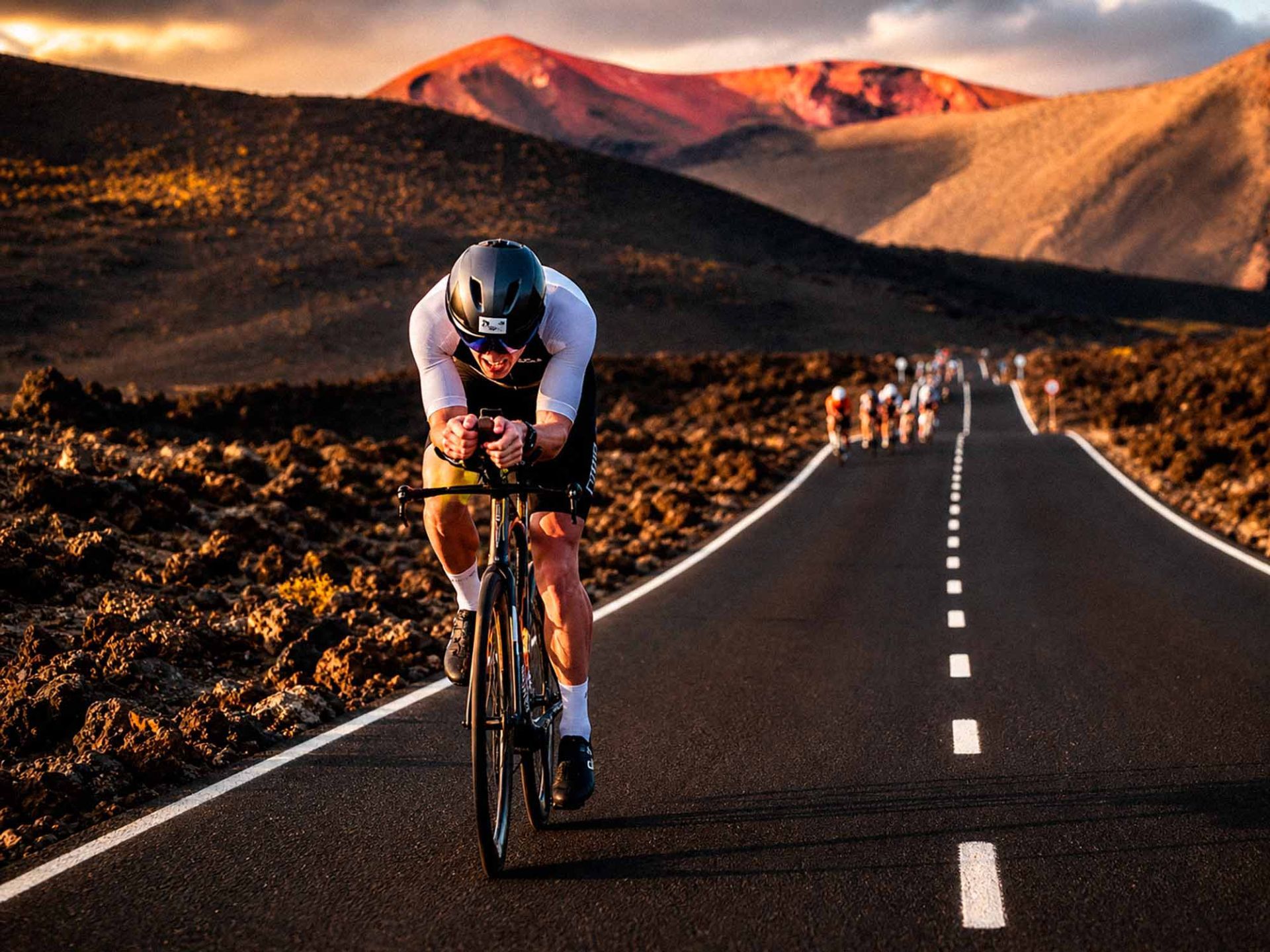
The temperature in Lanzarote, especially in summer, causes the body to work harder to cool itself. Sweat is the primary mechanism, but in a dry, windy climate, sweat evaporates quickly — which cools you efficiently but can mask how much fluid you're actually losing.
Wind and dehydration
Wind accelerates evaporation and increases the perception of coolness, which can delay the sensation of thirst. By the time you feel thirsty, you may already be significantly dehydrated.
Volcanic terrain and radiation
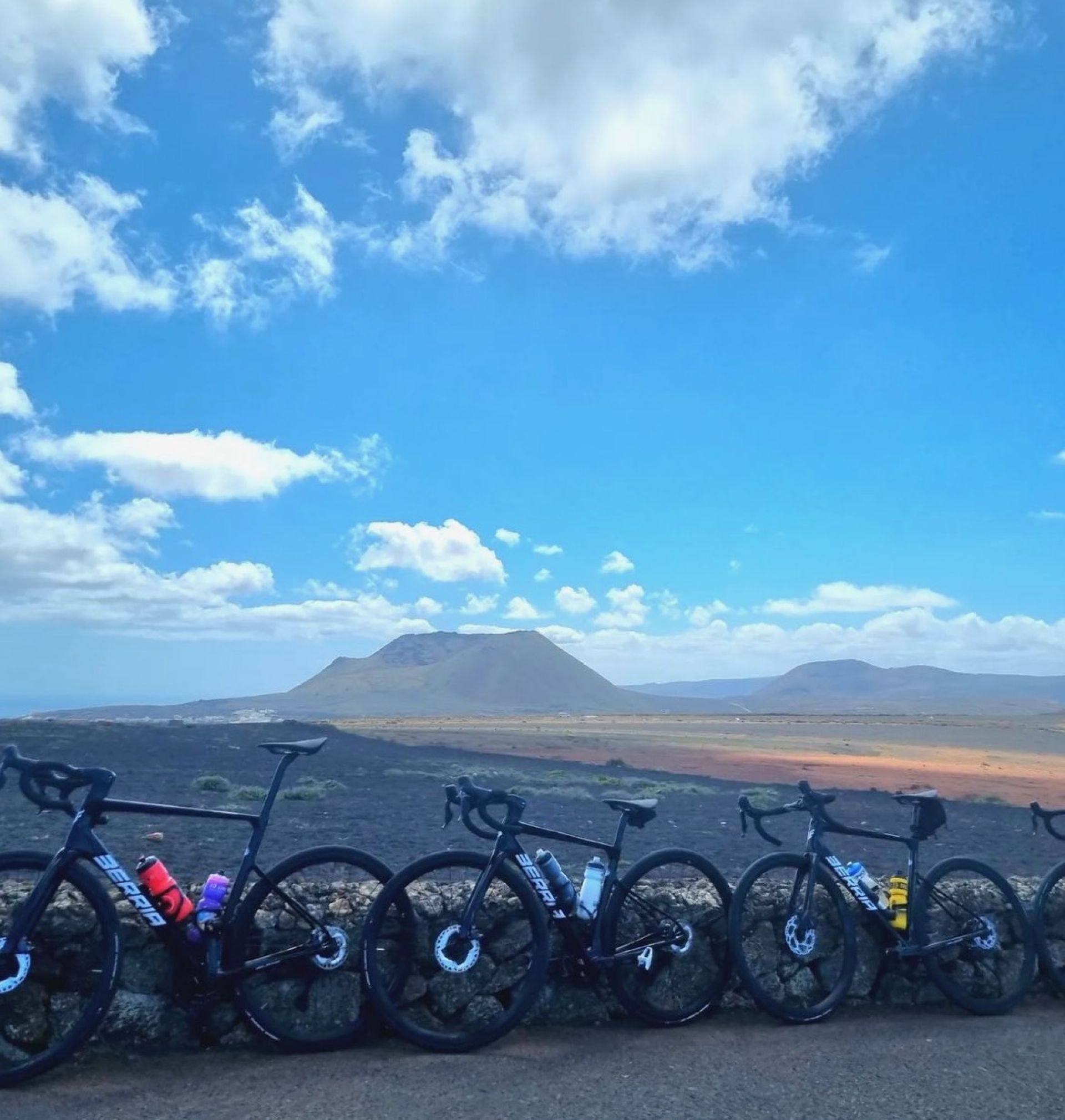
The dark volcanic landscape reflects and radiates heat upwards, meaning you're getting heat from above and below. This increases your body's cooling demands and, consequently, your need for fluids and electrolytes.
Distances between stops
In some inland and northern areas of the island, there are long stretches without shops, bars or refuelling points. If you don't carry enough, you can find yourself in trouble.
Before the ride: how to start well-fuelled
What you eat before the ride determines how you'll feel in the first 60-90 minutes. Starting well-fuelled gives you a reserve that makes everything easier.
The pre-ride meal
Aim for a carbohydrate-rich meal 2-3 hours before riding. Good options include:
- Oatmeal with fruit and honey
- Toast with jam and a banana
- Rice or pasta with light sauce
- Pancakes with maple syrup
Avoid heavy fats, excessive protein and fibre — they slow digestion and can cause discomfort during the ride.
The pre-ride snack
If you're eating more than 2 hours before the ride, have a small carbohydrate snack 30 minutes before starting: a banana, an energy bar or a piece of toast. This tops up blood glucose right before you start.
Pre-hydration
Start hydrating the day before a long ride. In the hours before, sip water regularly and consider adding electrolytes if it's going to be hot. Don't drink large amounts all at once — steady, moderate intake is more effective.
During the ride: the nutrition strategy
Nutrition during the ride isn't about eating whatever you feel like — it's about providing your body with the fuel it needs to sustain effort. The strategy depends on the duration and intensity of the ride.
Rides under 60 minutes
For short rides, water is generally sufficient. You don't need to eat during the ride if you started well-fuelled. Just make sure you're drinking regularly.
Rides of 60-90 minutes
Start adding some carbohydrate intake. A gel, a banana or a small bar is enough. Begin hydrating with electrolytes if it's hot.
Rides of 1.5-3 hours
This is where nutrition becomes important. You need:
- 30-60 grams of carbohydrate per hour from gels, bars, sports drinks, bananas or dried fruit.
- 500-750 ml of fluid per hour, alternating between water and electrolyte drinks.
- Electrolyte supplementation — sodium, potassium and magnesium are lost through sweat and need to be replaced.
Rides over 3 hours
For long rides, the strategy becomes more sophisticated:
- 60-90 grams of carbohydrate per hour. This requires practice — your gut needs to be trained to absorb this amount during exercise.
- Regular fluid intake — 750 ml to 1 litre per hour in Lanzarote conditions.
- Alternating sources. Mix gels, bars, sports drinks and real food to avoid flavour fatigue and digestive issues.
- Caffeine can be useful for the second half of long rides, but test it in training first.
- Carry more than you think you'll need. In Lanzarote, refuelling points can be far apart on certain routes.
Hydration: more than just water
Hydration in Lanzarote requires more attention than in most cycling destinations. Here's what you need to know.
Water alone isn't enough
On rides over 60 minutes in warm conditions, water alone doesn't replace the minerals you lose through sweat. Sodium, potassium, magnesium and calcium are all lost in significant amounts, and failing to replace them leads to cramps, fatigue and decreased performance.
Electrolyte drinks
A good electrolyte drink provides sodium, potassium and magnesium in proportions that help your body absorb and retain fluid. Alternating between electrolyte drinks and plain water is the most effective strategy for long rides.
How much to drink
In Lanzarote conditions, aim for 500-750 ml per hour for moderate rides, and up to 1 litre per hour for intense rides in heat. Don't wait until you're thirsty — drink small amounts every 15-20 minutes.
Signs of dehydration
- Thirst (this is already a late signal)
- Dark-coloured urine
- Headache
- Dizziness or lightheadedness
- Decreased performance
- Muscle cramps
- Lack of sweating when it's hot
If you experience any of these, stop, find shade, drink with electrolytes and rest. Continuing to ride while dehydrated can be dangerous.
After the ride: recovery nutrition
What you eat after the ride determines how well you recover, especially if you're riding multiple days.
The 30-minute window
After a ride, your body is primed to absorb nutrients. Within 30 minutes, aim for:
- Carbohydrates to replenish glycogen stores (50-80g)
- Protein to repair muscle damage (15-25g)
- Fluids and electrolytes to rehydrate
Good options: a recovery drink, chocolate milk, a banana with yoghurt, or a proper meal if you're eating within the hour.
Continuing recovery
Over the next few hours, continue to eat carbohydrate-rich meals with moderate protein. Stay hydrated. If you've sweated heavily, add extra salt to your food or continue with electrolyte drinks.
Nutrition for specific conditions in Lanzarote
Hot days
- Increase fluid intake by 25-50% compared to normal
- Use colder drinks if available — they're more palatable in heat
- Avoid high-fat foods during the ride — they're harder to digest in heat
- Consider freezing your water bottle overnight for the start of the ride
Windy days
- Wind increases evaporation and dehydration — drink more than you think
- Choose easier-to-eat nutrition — unwrapping bars in crosswinds can be challenging
- Gels and liquid nutrition are easier to consume in windy conditions
Long rides
- Carry a variety of foods to avoid flavour fatigue
- Plan refuelling stops at shops or cafés along your route
- Real food (sandwiches, bananas, rice cakes) works well for rides over 4 hours
- Always carry emergency nutrition — an extra gel or bar can save a ride
Common nutrition mistakes in Lanzarote
1. Not drinking enough
The most common mistake. In Lanzarote's conditions, you need more fluid than you think. Carry more than you expect to drink and drink before you're thirsty.
2. Trying new products on the ride
Never try a new gel, bar or drink on a long ride. Test everything in training first. Your gut needs to be accustomed to what you're consuming during exercise.
3. Forgetting electrolytes
Water alone doesn't replace what you lose in sweat. On rides over 60 minutes in Lanzarote, electrolytes are essential.
4. Not eating early enough
Many cyclists wait until they feel hungry to start eating. By then, it's too late — your glycogen stores are already depleted. Start eating from the first 30 minutes of the ride.
5. Over-relying on gels
Gels are convenient, but relying on them exclusively for long rides can cause digestive issues. Mix gels, bars, sports drinks and real food for a balanced intake.
What to carry on a ride in Lanzarote
- 2-3 water bottles (or a hydration pack for long rides)
- Electrolyte tablets or powder
- 3-4 energy gels for rides over 2 hours
- 1-2 energy bars
- A banana or other real food option
- Sports sun cream (small tube for reapplication)
- Phone with route and emergency numbers
- Basic repair kit
Related articles
Fuel well, ride well
Good nutrition and hydration aren't just for professionals. They're the difference between a ride you enjoy and a ride you suffer through. In Lanzarote, where the conditions demand more from your body, getting this right is even more important.
Plan your nutrition before you plan your route. Carry more than you think you'll need. Drink before you're thirsty and eat before you're hungry. And if you're renting a bike, ask at Papagayo Bike for advice on routes with refuelling points and the best local shops to stock up before your ride.
Check the bicycle rental options in Lanzarote and prepare for your ride — body and bike together.
 Nutrition and Hydration on the Road: What Every Cyclist Needs to Know in Lanzarote