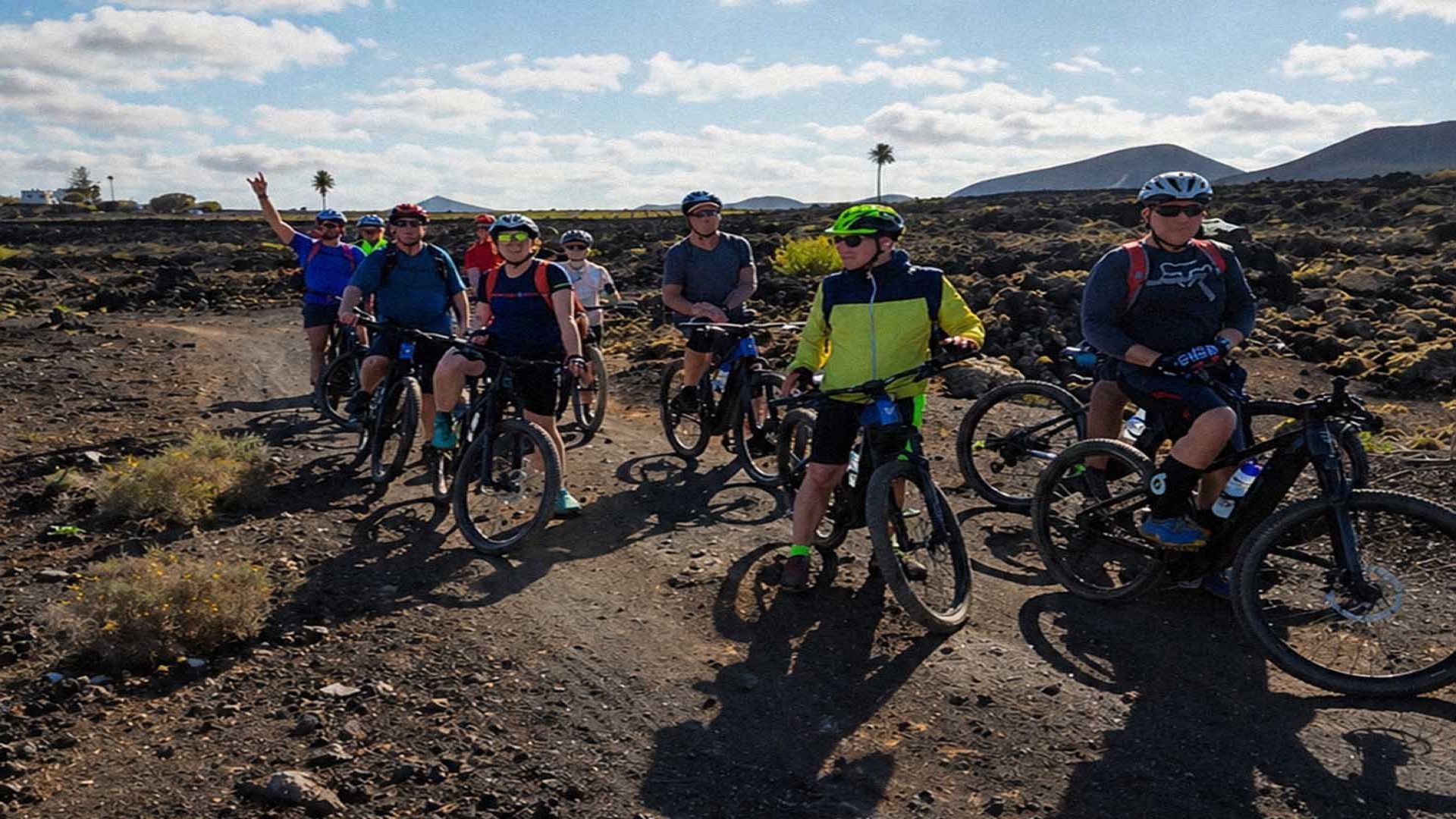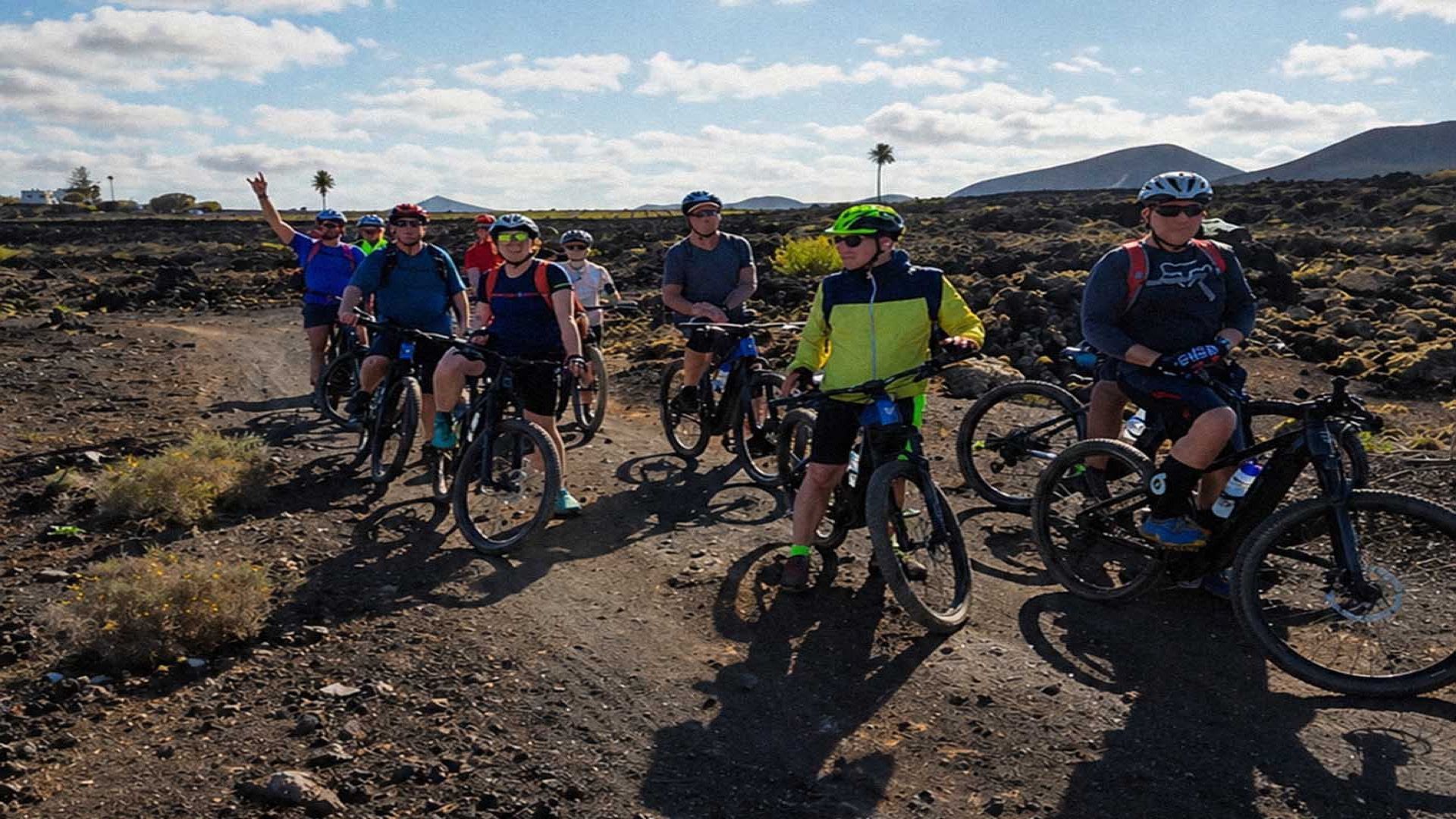
Lanzarote in Winter: A Cycling Paradise When the North Freezes
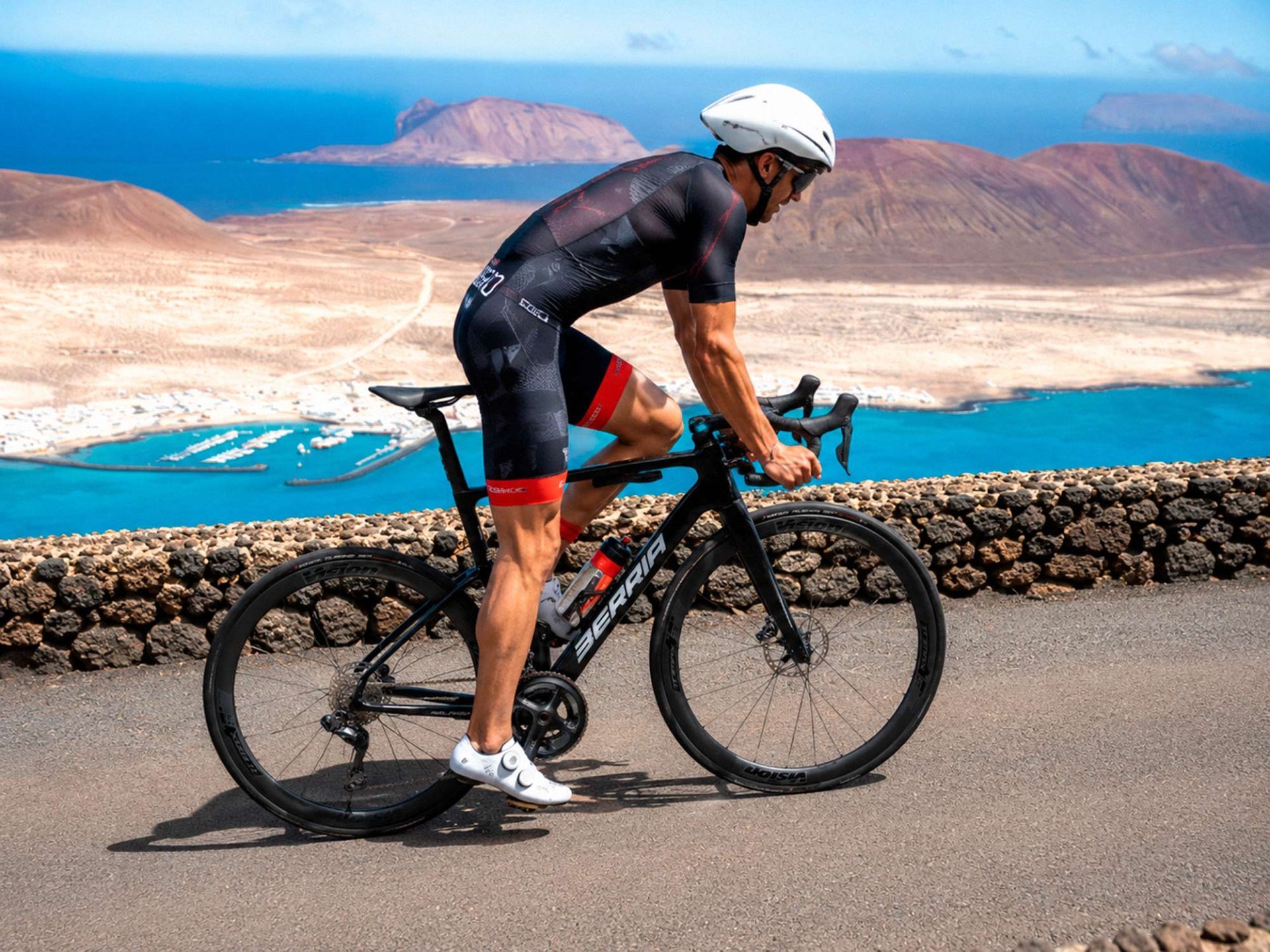
While Northern Europe shivers under grey skies and freezing temperatures, Lanzarote offers something remarkable: mild weather, quiet roads and cycling conditions that make it one of the best winter training destinations in the world.
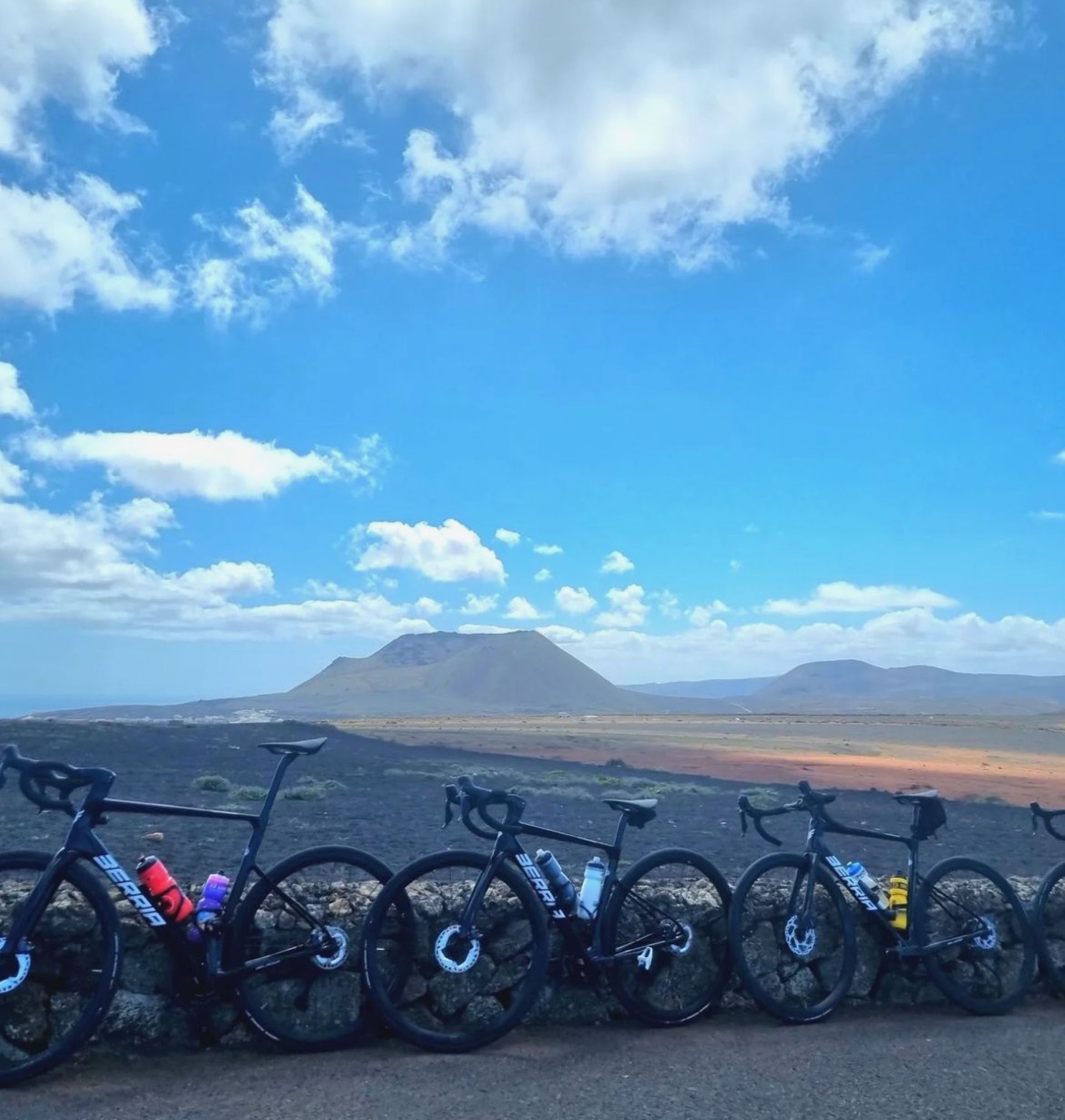
Winter is peak season for cycle tourism on the island. Triathletes, road cyclists and touring riders from across Europe come to Lanzarote between December and February to accumulate quality kilometres that would be impossible at home. And they come back year after year, because the island delivers.
In this guide we explain why Lanzarote is a cycling paradise in winter, how to plan your trip and how to make the most of it with Papagayo Bike.
The winter climate in Lanzarote
Temperatures
Daytime temperatures in Lanzarote during winter typically range from 18 to 23 °C. That's warm enough to ride in shorts and a jersey, cool enough to put in solid efforts without overheating, and light-years away from the 0-5 °C that many European cyclists endure at home.
Morning temperatures can be 14-16 °C, which means early starts are comfortable. And the evenings are mild enough to enjoy a post-ride drink outdoors.
Rain
Lanzarote is one of the driest islands in the Canaries. Winter rain is possible but usually brief and infrequent. On most days, you'll ride in dry conditions. When it does rain, it often passes quickly, and the volcanic terrain dries fast.
Wind
The trade winds continue in winter, typically from the north-east. They can be strong, especially in exposed areas, but they're also consistent and predictable. For experienced cyclists, the wind is part of the training; for touring riders, it's a factor to plan around.
Daylight
Winter days in Lanzarote offer 10-11 hours of daylight, which is significantly more than most Northern European destinations. That's enough for a long ride, a recovery spin and still have time to enjoy the island.
Why cyclists choose Lanzarote in winter
Training quality
The combination of mild temperatures, varied terrain and consistent conditions allows for high-quality training. You can do long endurance rides, interval sessions, hill repeats and brick workouts without the limitations that cold, ice and darkness impose at home.
Road safety
Lanzarote's roads are generally well-maintained and, outside urban areas, relatively quiet. In winter, the main cycling areas are well-known to local drivers, who are accustomed to sharing the road with cyclists.
Community
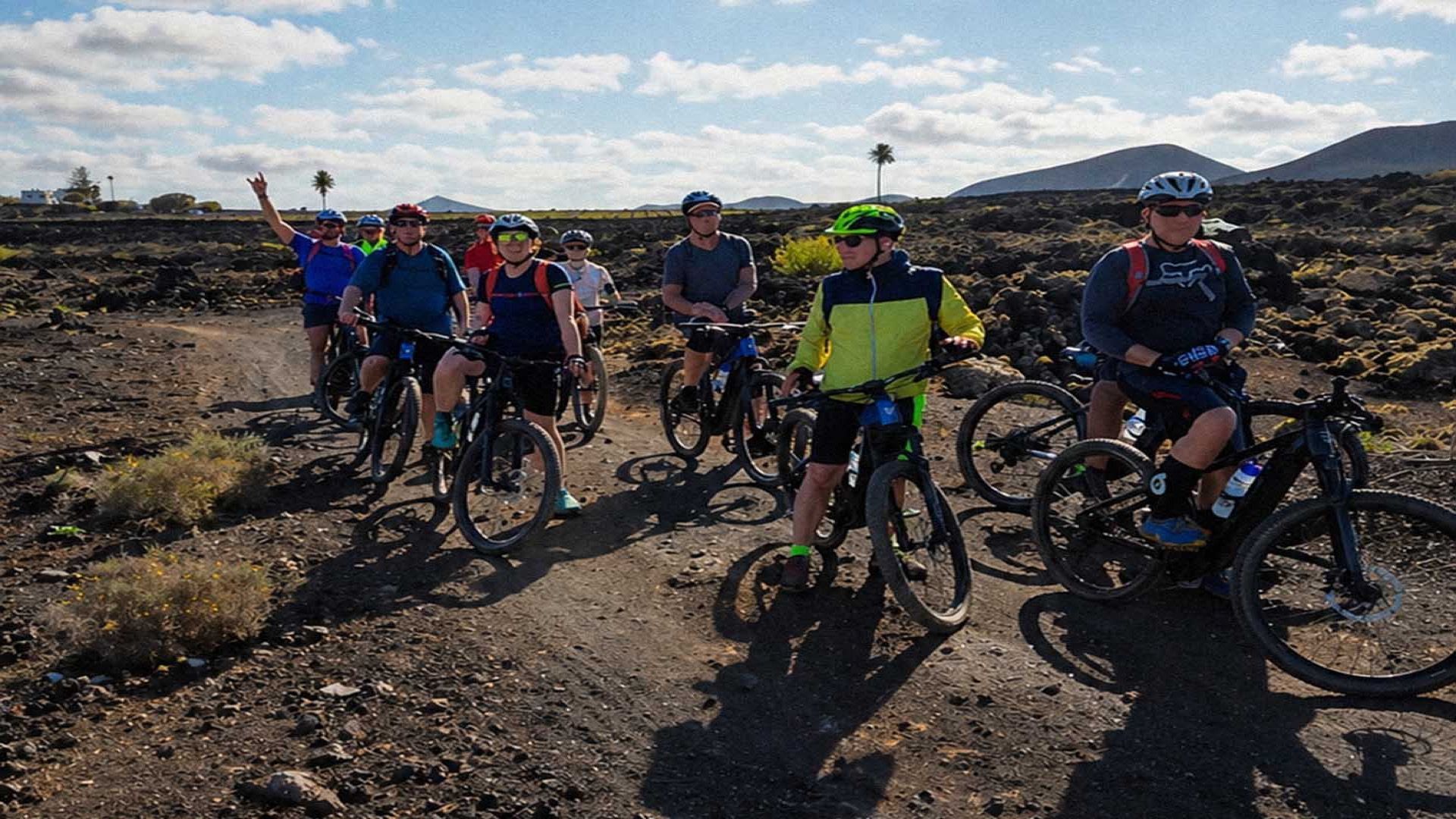
In winter, Lanzarote becomes a meeting point for the international cycling community. Training groups form naturally, there are organised rides and sportive events, and the atmosphere in cycling cafés and hotels is one of shared passion. Riding with others who are also here to train makes a real difference.
Variety
Within a relatively small island, you can find flat coastal roads, rolling hills, proper climbs, exposed sections and sheltered valleys. This variety means you can target specific training needs without having to travel far.
Winter routes in Lanzarote
The classic Ironman loop
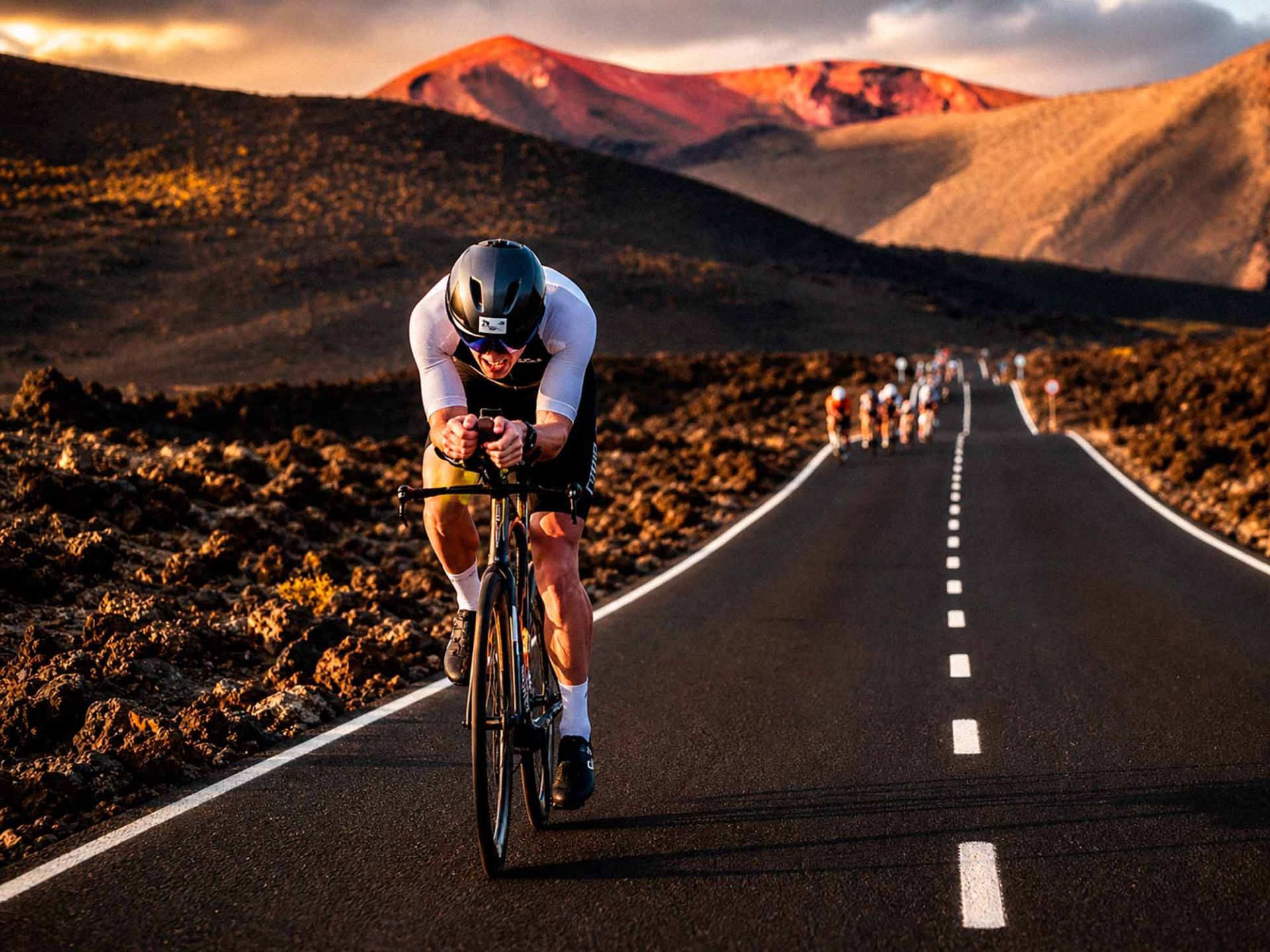
For triathletes preparing for the season, riding sections or the full Ironman Lanzarote bike course is a must. The loop takes you through the island's most demanding terrain, including the climb to Femés, the volcanic sections of Timanfaya and the exposed coastal roads of the north-east.
Distance: 100-180 km depending on how much of the course you ride. Significant elevation. Challenging.
South coast: Puerto del Carmen to Playa Blanca
A winter classic. The route to Playa Blanca offers a combination of coastal roads, volcanic landscape and the charming village of Yaiza. In winter, the temperatures are perfect for this distance.
Distance: 60-80 km round trip. Variable elevation.
North coast: Arrecife to Órzola
The northern route is one of Lanzarote's most rewarding rides. The landscape becomes more dramatic as you head north, and the fishing village of Órzola is a perfect turnaround point with views of La Graciosa.
Distance: 60-80 km depending on starting point. Moderate elevation.
Famara and the Risco
In winter, the waves at Famara can be impressive, and the contrast between the green of the cliffs and the dark volcanic rock is striking. The ride to Famara offers a different perspective of the island.
Distance: 40-50 km. Gentle elevation with steeper sections near Famara.
What to pack for winter cycling in Lanzarote
Winter packing for Lanzarote is simpler than you might think, but there are some specifics worth noting.
Clothing
- Bib shorts and jerseys. Standard summer kit is fine for most winter days. Choose light colours for sun protection.
- Arm warmers and a light vest. For early morning starts and descents. These are easy to remove once the day warms up.
- A lightweight rain jacket. Not always needed, but worth carrying on longer rides in case of a passing shower.
- UV sunglasses. The winter sun is still strong in Lanzarote.
- Sun cream SPF 50. Essential year-round on the island.
Accessories
- Lights.Required by Spanish law. Even though winter days offer plenty of light, carry front and rear lights for safety.
- Hydration system. Two bottles minimum, or a hydration pack for long rides.
- Electrolytes. Even in winter, you need to replace minerals lost through sweat and wind evaporation.
Winter training tips
Acclimatise gradually
If you're coming from a cold climate, don't jump straight into long, intense rides. Give your body a day or two to adjust to the temperature and the wind. Start with moderate rides and build up.
Use the wind as training
The trade winds are a training tool. Headwind sections build strength and endurance; tailwind sections allow recovery at speed. Plan your rides so you have the wind against you on the way out and behind you on the way back.
Don't overtrain
It's tempting to ride every day when the weather is this good. But if you're here for a training block, rest days are essential. Plan them into your schedule and stick to them.
Hydrate properly
You may not feel as thirsty in winter as in summer, but dehydration is still a risk. The wind and the dry climate mean you're losing more fluid than you think. Drink regularly, even if you don't feel like it.
Where to stay for cycling in Lanzarote
Choosing the right base can make a big difference to your cycling holiday. Here are the main options:
Puerto del Carmen
The most popular base for cyclists. It offers the widest range of accommodation, restaurants and bike shops, and it's well-connected to the main cycling routes. If it's your first cycling trip to Lanzarote, Puerto del Carmen is the safest choice.
Playa Blanca
Quieter than Puerto del Carmen, with direct access to the southern routes and a more relaxed atmosphere. Good for cyclists who prefer a calmer base and want to focus on south and west routes.
Costa Teguise
A good middle ground with decent accommodation options and access to both north and south routes. Costa Teguise is also well-connected to the coastal cycle path.
Teguise (inland)
For cyclists who want a more authentic Canarian experience and don't mind being a bit further from the coast. Teguise offers access to the island's interior routes and a quieter environment.
Related articles
Rent your winter training bike
If you don't want to travel with your own bike, or if you want a specific type of bike for Lanzarote's terrain, Papagayo Bike offers road bikes, e-bikes, touring bikes and more, all properly maintained and adjusted for the island's conditions.
Check the bicycle rental options in Lanzarote and book in advance — winter is peak season and the best bikes go quickly.
Because when the north freezes, Lanzarote is waiting. And the roads are ready.
 Lanzarote in Winter: A Cycling Paradise When the North Freezes