Preparing for Ironman Lanzarote: A Guide for Cyclists and Triathletes
Ironman Lanzarote isn't just another race. It's one of the toughest Ironman events on the calendar, and its cycling leg is a big part of why. The wind, the elevation, the heat and the volcanic landscape combine to create a course that demands respect, preparation and local knowledge.
If you're preparing for Ironman Lanzarote, whether it's your first time or you're coming back to improve, this guide covers the key aspects of the cycling leg, how to prepare on the island and what makes this race different from any other Ironman.
And if you need a bike for training, at Papagayo Bike you'll find road bikes ready for the kilometres the island demands.
Why Ironman Lanzarote is different
The cycling leg: 180 km of Lanzarote
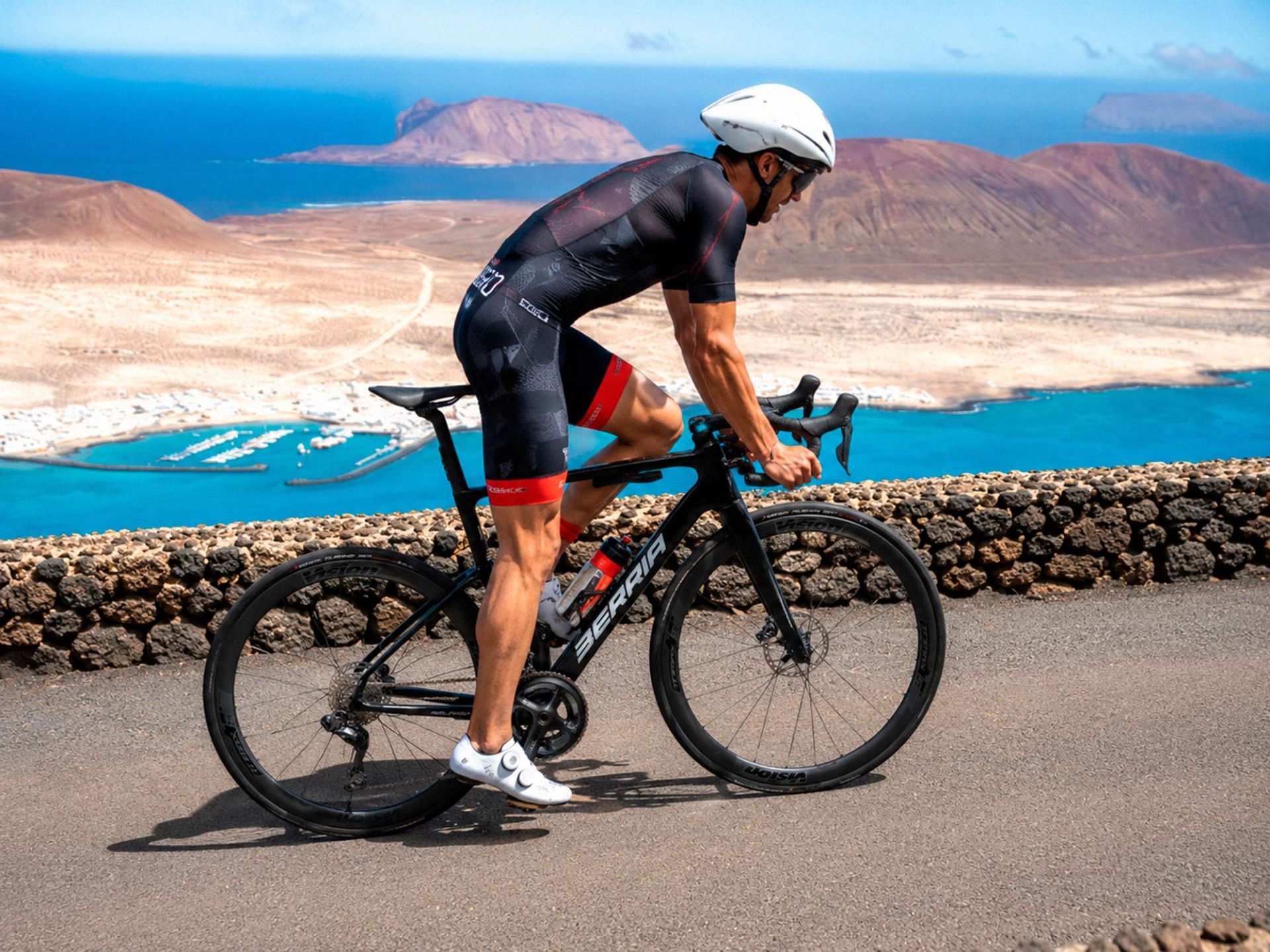
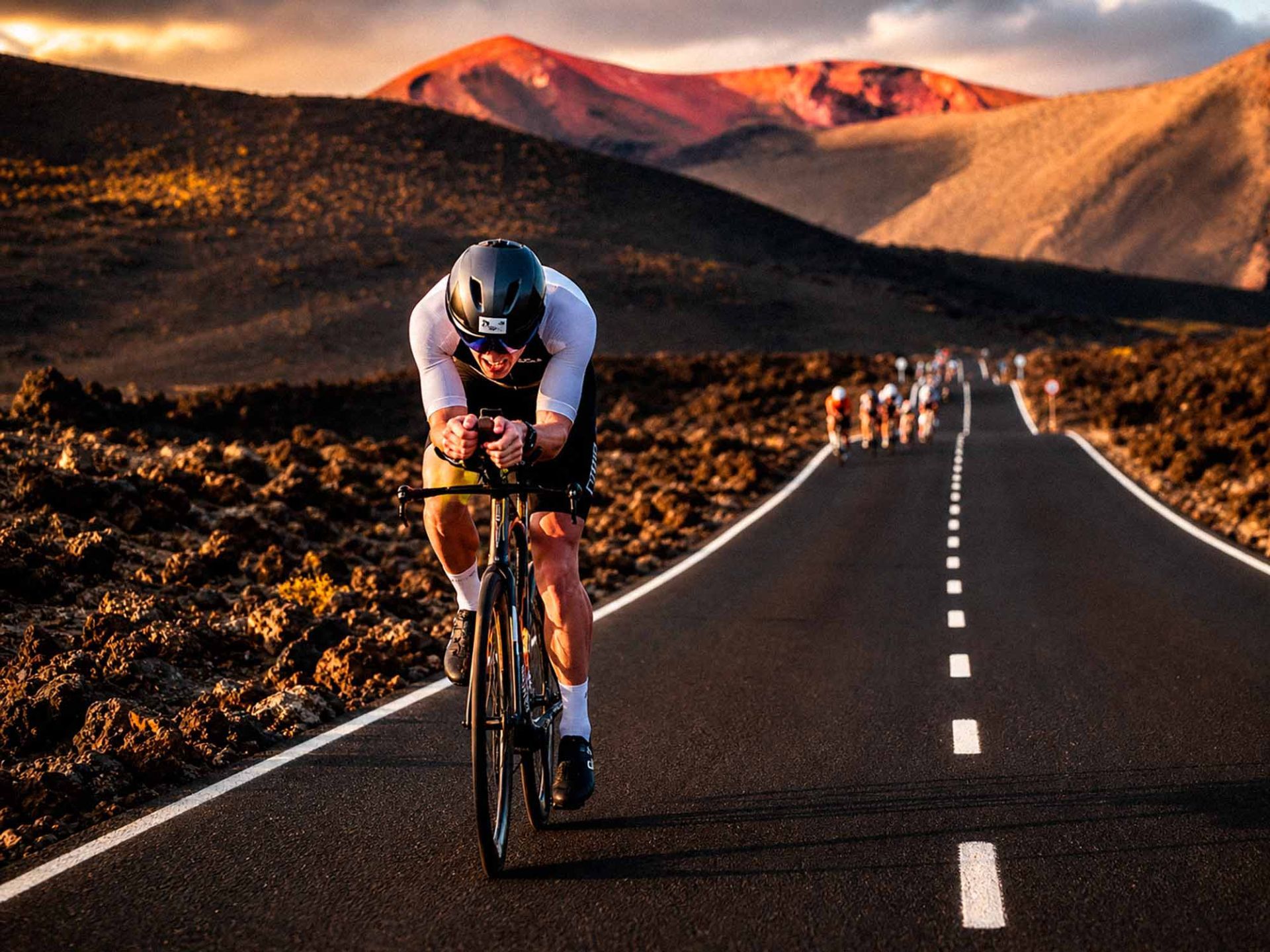
The Ironman Lanzarote bike course is 180 km through the island's most demanding terrain. It includes over 2,500 metres of elevation gain, constant wind exposure, long climbs and a landscape that offers no respite.
Key sections include:
- The climb to Femés. A steep, winding ascent that tests legs already tired from the swim.
- The section through Timanfaya. Volcanic, exposed and windy. One of the most visually spectacular but physically demanding sections.
- The north-east coast. Long, open sections with the trade winds pushing hard. Here the race can be won or lost.
- The final 30 km. When the body is already depleted, the course still has demands. Fatigue management becomes critical.
The wind factor
Wind is the defining element of Ironman Lanzarote. The trade winds blow predominantly from the north-east, and on race day, they can be relentless. Crosswinds on exposed sections are common, and the combination of wind, heat and fatigue makes the cycling leg significantly harder than the elevation profile alone suggests.
Preparing for wind means training in wind. And there's no better place to do that than on the island itself.
The heat
Depending on the race date, temperatures can range from mild to genuinely hot. The volcanic terrain radiates heat, and there's limited shade on most of the course. Hydration and temperature management are as important as fitness.
Training on the island: why it makes a difference
Many triathletes and cyclists choose to train on Lanzarote in the weeks or months before the race. And there are solid reasons for this.
You learn to read the wind
Wind in Lanzarote isn't just a number on a forecast. It has directions, patterns and effects on specific sections of the road. Training on the island allows you to experience the wind first-hand, understand where it hits hardest and develop strategies for each section of the course.
You learn the course
Riding the Ironman course before race day gives you an advantage that no amount of training at home can replicate. You know where the climbs are, where the crosswinds hit, where the false flats drain your legs and where you can recover. That knowledge is invaluable on race day.
You acclimatise
Whether it's heat, wind or simply the rhythm of the island, training on Lanzarote allows your body to adapt to the conditions you'll face on race day. This is especially important for athletes coming from cooler or less windy climates.
You build confidence
Knowing you can handle the course, the wind and the conditions builds mental resilience. On race day, when things get hard — and they will — knowing that you've ridden these roads before gives you a psychological edge.
Key training sessions for Ironman Lanzarote
Long rides with wind exposure
Training in Lanzarote means training with wind. Use it. Plan long rides that include headwind sections, crosswind sections and sections where you can practice riding in a group or alone against the wind. This is the specific training that prepares you for the race.
Repeats on the key climbs
Femés, Tabayesco, Haría — the key climbs of the Ironman course deserve specific training sessions. Ride them at race pace, ride them hard, ride them tired. Each repetition teaches you something about how to manage effort on race day.
Brick sessions
Swim-to-bike and bike-to-run transitions are critical in any Ironman, but in Lanzarote, the bike-to-run transition is particularly demanding. After 180 km of wind, elevation and heat, running a marathon requires specific preparation. Brick sessions on the island are more realistic than anywhere else.
Heat training
If you're coming from a cooler climate, training in Lanzarote's heat is essential. Start with shorter sessions and build up. Learn your hydration needs, test your nutrition strategy and understand how your body responds to heat before race day.
Nutrition and hydration for the bike leg
The Ironman Lanzarote bike leg can take between 5 and 7 hours depending on your level. That's a long time to be consuming and digesting while riding in heat and wind. Your nutrition strategy needs to be tested, not improvised.
Key principles
- Carbohydrate intake: Aim for 60-90 grams of carbohydrate per hour. This requires practice — your gut needs to be trained to absorb this amount during exercise.
- Hydration: Drink 500-750 ml per hour in Lanzarote conditions. Include electrolytes, especially sodium.
- Timing: Start eating and drinking from the first kilometre. Don't wait until you feel hungry or thirsty.
- Real food vs. sports nutrition: Both can work. The key is to test your strategy in training, not on race day.
- Special needs bags: Use them. Don't rely solely on what's available at aid stations if you have specific products that work for you.
Equipment for the race and for training
Whether you're racing or training on the island, your equipment choices matter.
For training
- Road bike with reliable gears. You need a bike that can handle climbs, wind and distance. Gearing with a compact crank and a wide-range cassette is recommended.
- Deep-section wheels with caution. In strong crosswinds, deep wheels can be dangerous. If you're training with race wheels, be aware of the conditions.
- Reliable tyres. Lanzarote's roads are generally good, but volcanic terrain means there can be sharp debris on shoulders. Puncture-resistant tyres are worth the weight penalty.
- Sun protection. SPF 50 sports sun cream, UV sunglasses and light-coloured clothing.
- Hydration capacity. At least two bottles, and more for long rides. Consider a hydration pack for training rides over 3 hours.
For race day
- Race wheels with wind awareness. If it's a windy day, consider using shallower wheels. Safety first.
- Race nutrition tested in training. Never try new products on race day.
- Extra sunscreen. Apply before the swim and have SPF 50 in your special needs bag.
- Wind vest. A lightweight vest for the descents and exposed sections can make a significant difference.
Training camps and support on the island
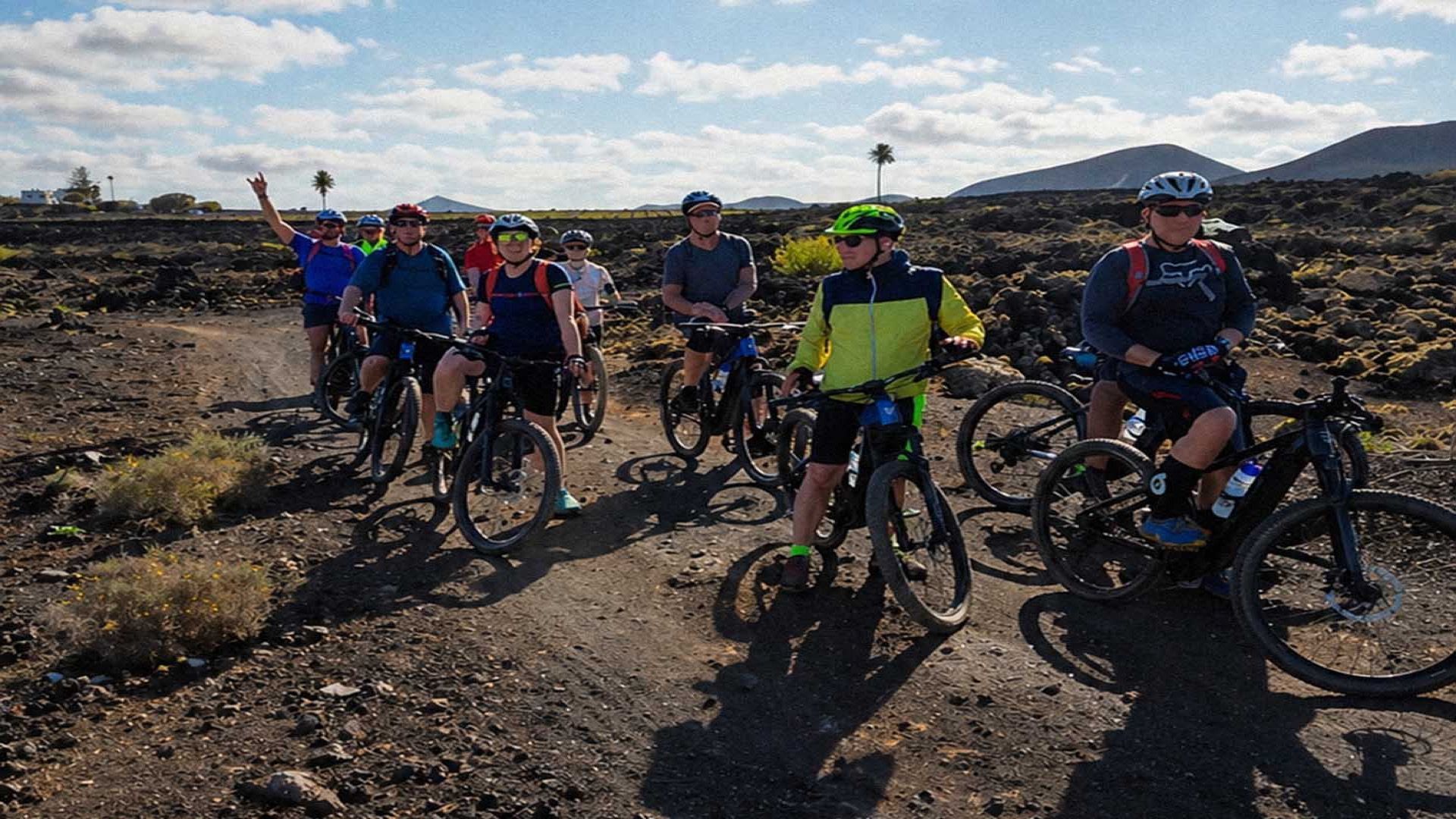
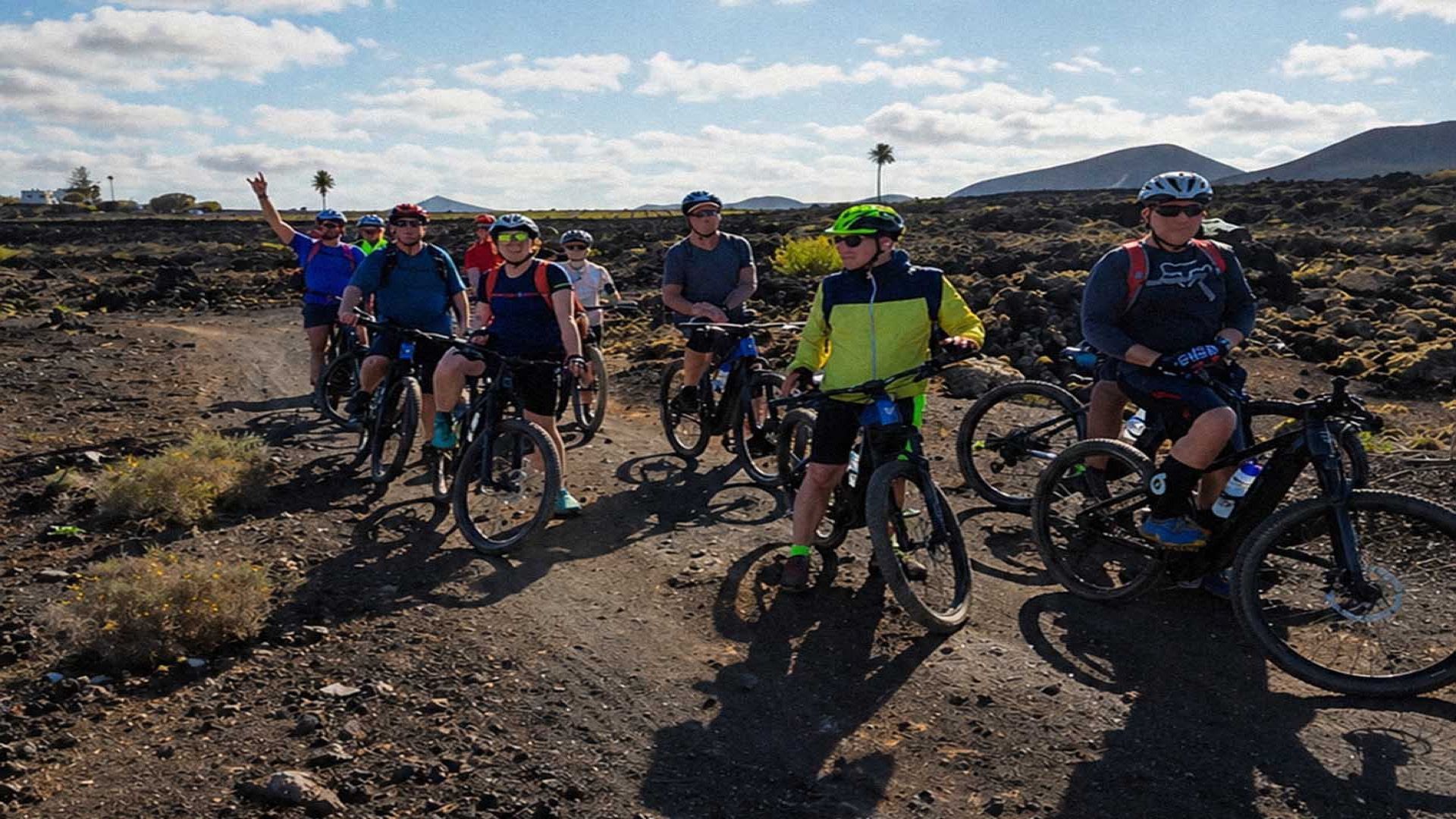
Lanzarote has a well-established infrastructure for triathlon training. There are training camps, coached groups and local support that can make your preparation more effective.
If you're coming for a training block, consider:
- Booking in advance. Peak training season (January to May) fills up quickly.
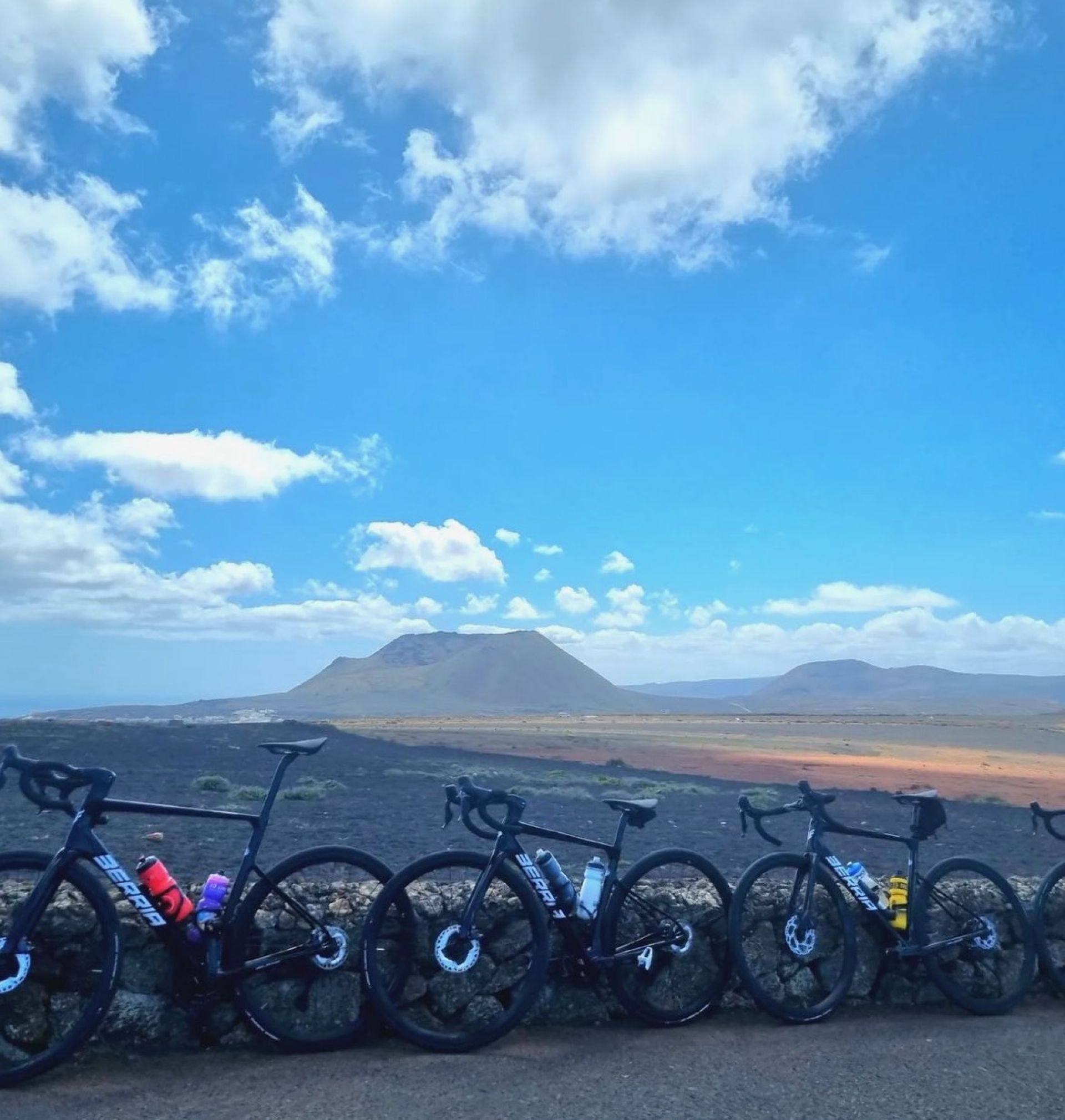
- Renting a bike locally. If you don't want to travel with your own bike, Papagayo Bike offers road bikes with appropriate gearing for the island's terrain.
- Planning around the wind. Check the forecast and plan your long rides for the best conditions.
- Recovery matters. Training hard on Lanzarote requires good recovery. Plan rest days, eat well and sleep enough.
Race week: what to do and what to avoid
The week before
- Reduce volume, maintain intensity. Short, sharp sessions to keep the legs responsive.
- Practice your nutrition strategy one more time.
- Check your bike, your wheels and your equipment.
- Stay hydrated and avoid excessive sun exposure.
- Ride parts of the course if you can, but don't overdo it.
Race day
- Start conservatively. The Ironman Lanzarote bike course punishes those who go out too hard.
- Eat and drink from the start. Don't wait.
- Respect the wind. When it hits, don't fight it — ride smart.
- On the climbs, ride your own pace. Don't get dragged into others' races.
- Save something for the final 30 km. They're harder than you think.
Related articles
Rent your training bike with Papagayo Bike
If you're coming to Lanzarote for a training block or for race week, you need a bike that's up to the task. At Papagayo Bike, you'll find road bikes with appropriate gearing for the island's terrain, properly maintained and adjusted to your measurements.
Check the bicycle rental options in Lanzarote and choose the bike that will help you prepare for the challenge. Because Ironman Lanzarote demands respect — and the right preparation starts with the right bike.
 Lanzarote in Autumn: The Best Season for Cycle Tourism