Cycling and Heat: How to Train and Enjoy Lanzarote When Temperatures Rise
Riding in Lanzarote when the heat kicks in doesn't have to be a problem. But it does require strategy. The combination of intense sun, constant wind, volcanic landscape with no shade and low relative humidity can turn a ride that seems straightforward into a challenge if you don't plan properly.
The good news is that thousands of cyclists train and enjoy Lanzarote during the summer months without complications. The key is knowing when to ride, how to manage your effort, what to drink and what to bring. It's not about giving up cycling when it's hot — it's about adapting how you ride.
In this guide we explain how to manage heat in Lanzarote, what mistakes to avoid and how to prepare your summer rides with the help of a local team like Papagayo Bike.
Why heat in Lanzarote is different
Lanzarote isn't like other extreme heat destinations. The island is surrounded by the Atlantic, which means the sea breeze softens the heat index on the coast. But that has a deceptive side: you can be losing more fluid than you think without feeling that it's excessively hot.
What's more, wind can mask dehydration. When you ride with a breeze, sweat evaporates faster and the sensation of heat is reduced, but your body is still losing water and salts at a high rate. This can lead to progressive dehydration that you don't notice until it's too late.
Inland, away from the coastal breeze, and especially during calima episodes, the temperature can rise significantly. On those days, cycling requires much more careful planning.
The most common mistakes when riding in heat
1. Setting off too late
This is the most frequent mistake. You arrive on holiday, wake up late, have a leisurely breakfast and decide to head out at 11 am. In Lanzarote, that can mean riding during the hours of highest radiation and accumulated heat.
The solution is simple: set off early. Between 7 and 9 am you'll find the best conditions. If you can't leave early, opt for a short ride at the end of the afternoon.
2. Not carrying enough water
It seems obvious, but it's one of the mistakes that ruins the most rides. In Lanzarote you can need between 500 ml and 1 litre per hour, depending on intensity, temperature and wind.
Always carry more than you think you'll need. And if your route passes through inland areas, don't assume you'll find refuelling points.
3. Maintaining your usual intensity
In heat, the body works harder to maintain the same power output. That means your normal training pace can be too demanding when temperatures rise.
The recommendation is clear: adapt your intensity. Don't try to hold the same watts or the same average speed as on a cool day. The goal in summer is to accumulate quality time, not to destroy yourself.
4. Not using adequate sun protection
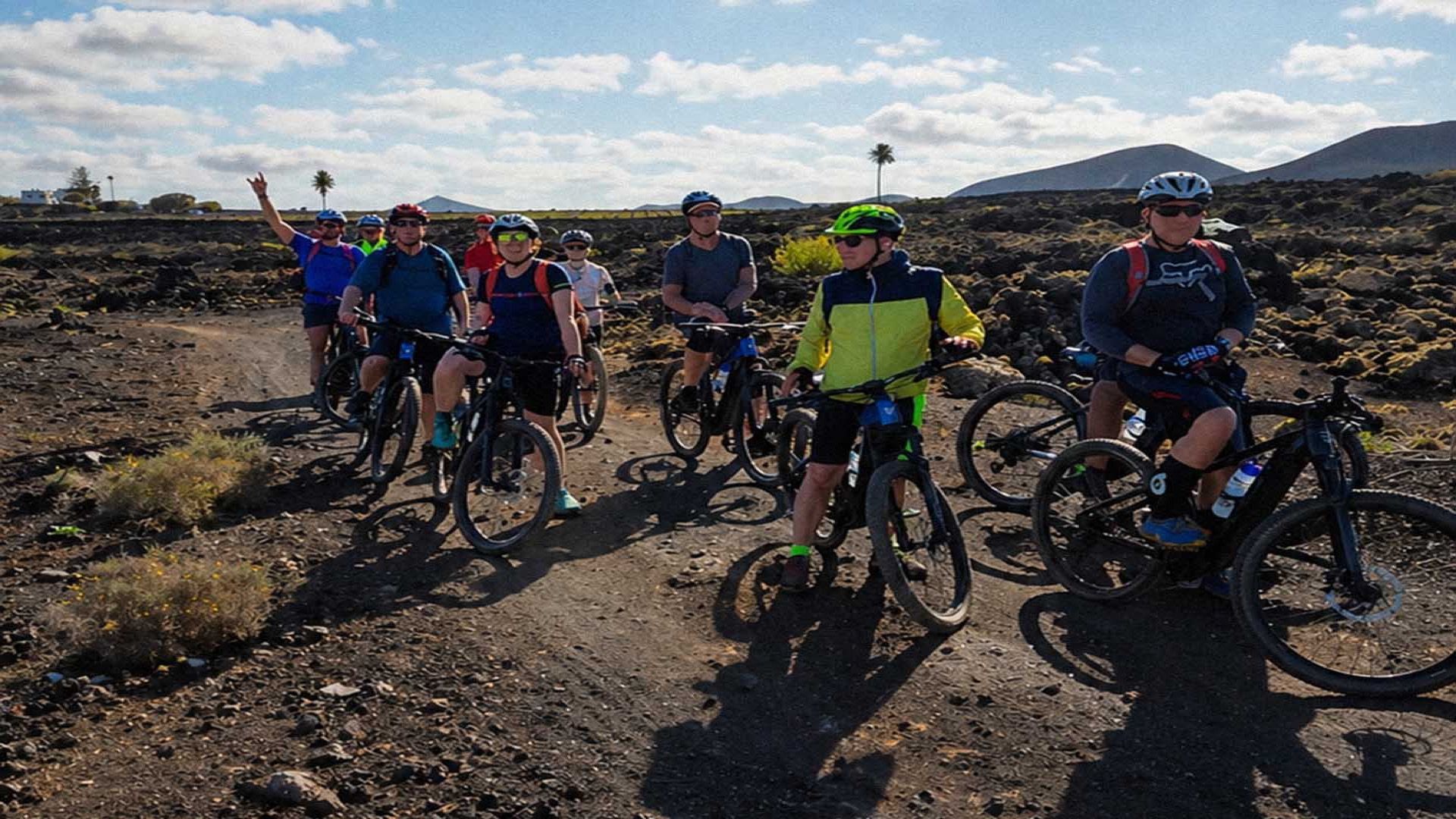
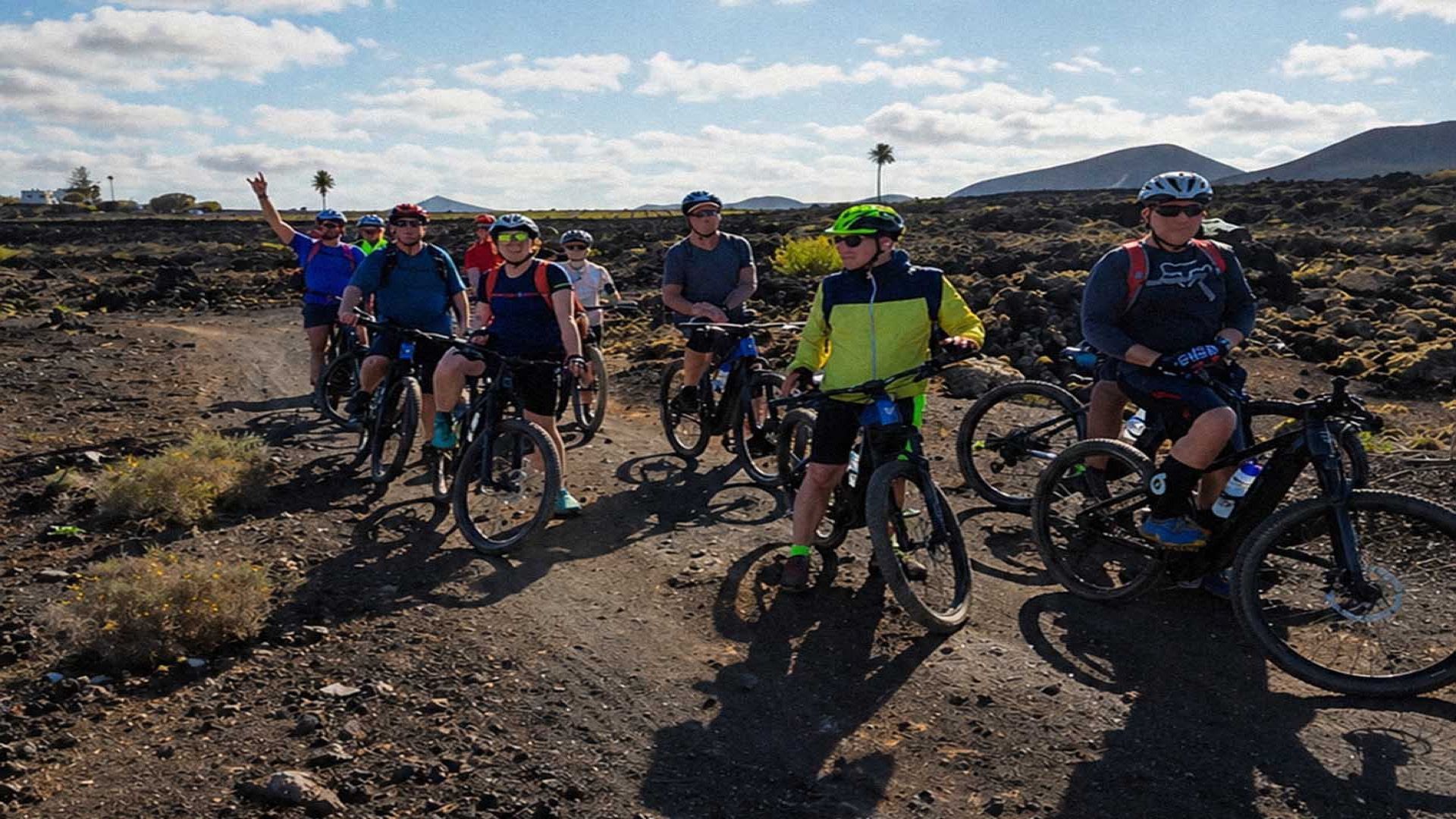
The sun in Lanzarote is intense, especially in volcanic areas where radiation reflects off the dark ground. Sports sun cream (SPF 50), UV-protection sunglasses and clothing that protects without overheating are essentials.
If you're going to be exposed for more than two hours, consider reapplying protection at your first stop.
5. Ignoring your body's signals
Headache, dizziness, excessive fatigue, lack of sweat or cramps are clear signs that something isn't right. Don't ignore them. In heat, stopping in time isn't a defeat — it's a smart decision.
Strategies for training in heat in Lanzarote
The early hours rule
If there's one strategy that makes the difference between a good ride and a bad experience, it's your departure time. In Lanzarote, the early morning hours offer lower temperatures, less aggressive wind, cooler tarmac and more margin to complete the route comfortably.
Plan your long rides between 7 and 10 am. If you're doing short rides or gentle outings, late afternoon is also a good option.
The wind strategy
In Lanzarote, wind is as important a factor as temperature. The trade winds blow predominantly from the north-east, but there are days when the direction changes, the intensity increases or calima sets in.
A good strategy is to design the route so you have a headwind on the first half and the wind behind you on the way back. If you set off early with a headwind, the return will be faster and less demanding just as the heat starts to build.
Always check the forecast at AEMET before planning your route.
Hydration as a priority
Don't wait until you're thirsty to drink. For a comprehensive guide on what to drink and eat on the road, see our article on nutrition and hydration for cyclists in Lanzarote. In heat, thirst is a delayed mechanism. When you feel thirsty, you're already dehydrated.
The recommended strategy is to take small sips every 15-20 minutes, alternating water with a drink containing mineral salts if the ride exceeds one hour. For long routes, plan refuelling points or carry larger capacity bottles.
If you're riding an e-bike, you can afford to carry less weight in bottles, but the need for hydration is the same.
The right clothing
In heat, clothing isn't just about style. It's about performance and safety.
Choose breathable technical fabrics in light colours, with UV protection if possible. A white or light-coloured jersey reflects radiation better. Short-sleeve or sleeveless jerseys are most common, but consider light arm protection if you'll be exposed for many hours.
Don't forget: helmet, UV-protection sunglasses and sports sun cream. They're as important as the bike itself.
Training in Lanzarote in summer: yes, you can
Many cyclists and triathletes choose Lanzarote as a training destination even in summer. And with good reason: if planned well, the island offers excellent conditions for accumulating quality kilometres when other European destinations have less favourable weather.
The advantage of daylight hours
In summer, Lanzarote has over 13 hours of daylight. That gives you margin for early rides, rest during the central hours and completing training sessions comfortably.
For cyclists coming to do training blocks, the combination of morning rides and midday rest is a formula that works very well.
The advantage of wind as training
Wind can be an enemy, but also an excellent training partner. Riding into a headwind develops strength, patience and the ability to manage effort. Cyclists who train regularly on islands with wind tend to have remarkable endurance when they compete in more favourable conditions.
The key is not to obsess over speed data. In Lanzarote, what matters isn't how long it takes, but how you manage the effort.
The advantage of varied terrain
Lanzarote offers within short distances what in other destinations you need many kilometres to find: flat sections, climbs, longer ascents, exposed areas, stretches by the sea and volcanic sections. That variety allows you to adapt training to the day's objective without needing very long routes.
If you don't want to train: comfortable options for enjoying
Not everyone comes to Lanzarote to train. And that's perfectly valid too. If your goal is to enjoy the island without turning every ride into a challenge, there are options that allow you to experience Lanzarote by bike without demands.
E-bike: the option that changes the rules
The electric bike is probably the best option for enjoying Lanzarote in summer without worries. Electric assistance compensates for heat, wind and climbs, allowing you to cover more distance with less effort and enjoy the landscape rather than suffer through it.
For couples or groups with different levels, the e-bike is the most practical solution: everyone can maintain the same pace, without anyone falling behind or anyone having to slow down.
Coastal rides: no pressure
The coastal areas of Playa Blanca, Puerto del Carmen and Costa Teguise offer flat, pleasant and safe routes, perfect for a gentle outing, an active morning or a family plan.
With a touring bike or an e-bike, you can explore these areas with no other goal than enjoying the landscape, stopping for a drink and returning to your accommodation feeling you've experienced something different.
Nutrition and hydration on the road: what you need to know
When you ride in heat, what you eat and drink is as important as the route you choose.
- Before the ride: A carbohydrate-rich breakfast (toast, fruit, porridge) at least 90 minutes before starting. Avoid excessive fats and heavy foods.
- During the ride: Drink every 15-20 minutes. Eat something every 45-60 minutes if the ride exceeds one hour (bar, gel, banana). Don't wait until you're hungry or thirsty.
- After the ride: Rehydrate with water and salts. Eat within 30 minutes. If you've sweated heavily, a drink with electrolytes helps recovery.
- Electrolytes: On rides over one hour in heat, water alone isn't enough. Add mineral salts or use a sports drink to replenish sodium, potassium and magnesium.
When you shouldn't ride
There are days when the best decision is not to ride. During intense calima episodes, with temperatures above 35 °C and suspended dust, conditions are not suitable for cycling. Cardiovascular strain is excessive, visibility is reduced and air quality affects breathing.
If AEMET issues a warning for extreme heat or calima, postponing the ride is the smartest decision. Lanzarote will have better days for cycling.
Related articles
- Nutrition and hydration for cyclists
- Best cycling routes in Lanzarote
- Cycling gear guide for Lanzarote
Rent the right bike with Papagayo Bike
When heat is a factor, choosing the right bike matters more than ever. An e-bike can make a summer ride pleasant instead of exhausting. A well-adjusted road bike can make a morning training session efficient. A comfortable touring bike can turn a coastal ride into the best plan of the afternoon.
At Papagayo Bike you can find bikes for every type of ride, every level and every season. Plus, the team can advise you on the best routes depending on wind, temperature and your fitness.
Check the bicycle rental options in Lanzarote and prepare your summer rides with the bike you actually need.
Because riding in heat isn't a problem. It's a matter of strategy.
 Lanzarote in Autumn: The Best Season for Cycle Tourism